
Padel Racket Materials: Everything You Need to Know Before Buying

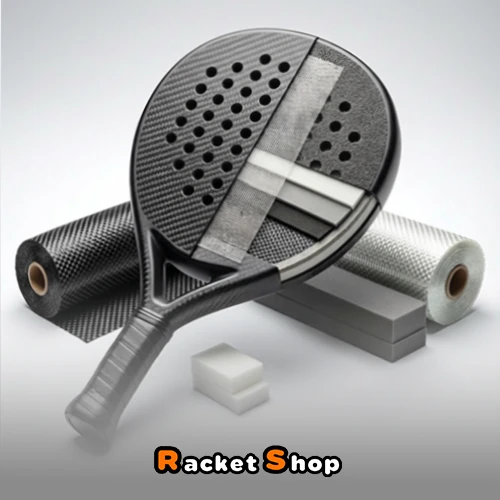
Choosing the right padel racket goes far beyond brand, price, or design. One of the most important factors that directly affects performance, comfort, durability, and control is the material used in a padel racket. A clear understanding of padel racket materials helps players at every level make smarter decisions and avoid choosing a racket that does not suit their playing style.
Modern padel rackets are made from a combination of face materials, core materials, and frame construction. Each component influences how the racket feels, how it reacts to impact, and how it performs during real match situations.
In this article from RacketShop, we will explore all the common materials used in padel rackets, including EVA, foam, carbon fiber, fiberglass, and more, so that players can make informed decisions and choose the racket that best matches their playing style.
Face Materials in Padel Rackets: Carbon Fiber and Fiberglass
The face material is one of the most decisive elements in padel rackets. The most commonly used padel racket materials for the face are carbon fiber and fiberglass, and the difference between them significantly affects gameplay.
A carbon fibre padel racket is lightweight, rigid, and highly responsive. These characteristics allow players to generate more power, maintain precision on fast shots, and enjoy better energy transfer. This is why advanced players often look for the best carbon padel racket when competing at higher levels.
A fiberglass padel racket offers a softer and more flexible surface. This flexibility improves comfort, increases ball output, and reduces vibrations. Fiberglass is commonly found in padel rackets designed for beginners and intermediate players, especially those who prioritize ease of play and forgiveness.
Many well-known padel brands such as HEAD, Bullpadel, Adidas, and Babolat use advanced carbon fiber technologies in their high-performance padel rackets, while brands like Wilson and HEAD also offer fiberglass-based models designed for beginners and intermediate players.
Core Materials: EVA Foam and Ball Feel
The core of most padel rackets is made from EVA foam, which plays a key role in shock absorption and overall ball feel.
Soft EVA foam provides greater comfort and vibration absorption, making it ideal for players with arm sensitivity or those new to padel. Hard EVA foam delivers more control and stability, especially during fast rallies and powerful shots, and is typically preferred by advanced players.
The interaction between the face material and EVA core defines the balance between power, control, and comfort.
Frame Construction and Structural Stability
The frame is the structural foundation of the racket. Most modern padel rackets use carbon fiber or carbon-reinforced composites in the frame to improve durability and resistance to impact.
High-quality padel rackets often include reinforced bridges, multi-layer carbon structures, and anti-vibration systems. These features enhance stability, reduce arm fatigue, and extend the lifespan of the racket, which is especially important when evaluating used padel racket materials.
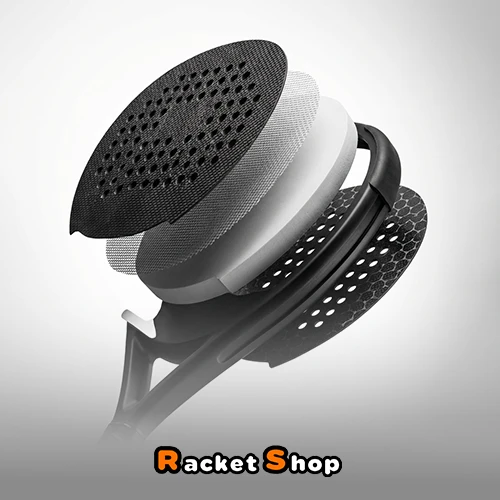
Carbon Weaves Explained: 3K vs 12K vs 18K Carbon Fiber
Not all carbon faces perform the same. Many players compare 3K, 12K, and 18K carbon fiber padel constructions to better understand feel and performance.
A 3K carbon surface generally offers a softer touch, greater ball dwell time, and enhanced control, making it ideal for players who rely on precision and placement.
12K carbon fiber delivers a more balanced performance, combining solid control with increased stiffness and power, which suits all-round and aggressive players.
18K carbon fiber, with its tighter and more complex weave, provides the stiffest response and maximum power output, offering explosive shots and higher durability, often favored by advanced and power-oriented players.
Several premium brands, including Bullpadel, Adidas and Babolat, use 3K, 12K, and 18K carbon fiber layers to fine-tune the balance between control, power, and feel in their padel rackets, allowing players to choose a surface that best matches their playing style.
Comparison Table: Padel Racket Materials at a Glance
| Material | Feel on Impact | Power Level | Comfort | Durability | Best For |
|---|---|---|---|---|---|
| Carbon Fibre | Firm and responsive | High | Medium | Very High | Advanced & competitive players |
| Fiberglass | Soft and flexible | Medium | High | Medium | Beginners & intermediate players |
| Soft EVA Core | Cushioned | Medium | Very High | Medium | Comfort-focused players |
| Hard EVA Core | Firm | High | Medium | High | Power and control players |
| 3K Carbon | Slightly soft | Medium–High | High | High | Control-oriented players |
| 12K Carbon | Very stiff | High | Medium | Very High | Aggressive power players |
| 18K Carbon | Extremely stiff & crisp | Very High | Low–Medium | Excellent | Professional & power-dominant players |
How Padel Racket Materials Affect Playing Style
Padel racket materials directly influence how a racket performs on court. Power players benefit from carbon fiber faces combined with harder EVA cores. Control-oriented players prefer balanced constructions with medium-density EVA. Beginners usually perform better with fiberglass faces and soft EVA cores, while players seeking comfort should prioritize vibration-dampening materials.
Understanding these relationships helps players choose the right padel racket materials for their playing style and physical needs.
Which Padel Racket Materials Should You Choose?
There is no single best material for everyone. The ideal choice depends on your skill level, playing style, and comfort preferences. By understanding the full padel racket materials list and how different materials affect performance, you can choose padel rackets that enhance your game and provide a better on-court experience.
For personalized advice and to find the perfect racket, visit Racket Shop for expert consultation and purchase options!
Choosing the Right Padel Racket Material
Padel rackets are typically made from a combination of carbon fiber or fiberglass for the face, EVA foam for the core, and carbon or composite materials for the frame.
Padel is played with a solid racket (without strings) that has a perforated surface. Most padel rackets are made with carbon fiber or fiberglass faces, an EVA foam core, and a reinforced frame for durability and control.
Neither is universally better. 3K carbon offers a slightly softer feel and more control, while 12K carbon is stiffer and provides more power. The best choice depends on your playing style and experience level.
There is no single best material for everyone. Carbon fiber is ideal for advanced players seeking power and precision, while fiberglass is better for beginners and intermediate players who prioritize comfort and forgiveness.
For professional padel racket consultation and purchase, inspired by Agustín Tapia’s preferences, visit Racket Shop and choose the perfect racket tailored to your playing style.

 Buy Padel Rackets
 Padel Bags
 Padel Shoes
 Padel Clothing
 Padel Equipment
 Padel Balls
 PADEL Outlet
 PADEL Pros
 Tennis Rackets
 Tennis Bags
 Tennis Shoes
 Tennis Balls
 Tennis strings
 Tennis Equipment
 Pickleball Rackets
 Pickleball Balls
 Pickleball Equipment
 Beach Tennis Rackets