
Padel racket weight and its effect on power and control

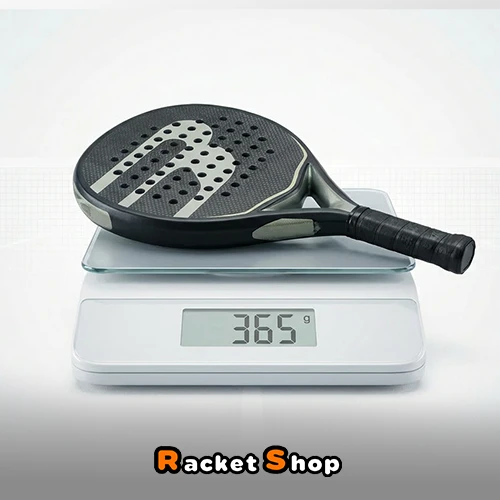
Choosing the right padel racket is one of the most important decisions a player can make to improve performance, reduce injury risk, and enjoy the game more. Among all the factors that define how a padel racket plays—such as shape, balance, materials, and surface texture—the weight of the racket stands out as a foundational attribute influencing both power and control. Understanding this relationship can help players of all levels make smarter choices and tailor their equipment to their style of play.
In this article, from Racket Shop, we explore how padel racket weight affects both power and control, helping players make informed decisions to improve their game.
Why Padel Racket Weight Is So Important?
Padel rackets are solid, compact, and shorter than tennis rackets. Because of this design, even a small difference in weight can dramatically change how the racket feels during rallies.
The right padel racket weight helps:
-
Improve consistency and ball placement
-
Generate power with less physical effort
-
Increase maneuverability at the net
-
Reduce stress on the wrist, elbow, and shoulder
Choosing the wrong weight, however, can lead to poor control and early fatigue.
Padel Racket Weight Range
The padel racket weight range generally falls between 350 grams and 400 grams. Each player’s ideal weight depends on experience, strength, and playing style:
-
Lightweight rackets (350–365g): Easier to handle, faster for reactions, and ideal for beginners or defensive players.
-
Medium weight rackets (366–375g): Balanced for all-round players who want a mix of power and control.
-
Heavyweight rackets (376–400g): Generate maximum power, favored by aggressive players or those with strong upper body strength.
How Racket Weight Affects Power
Heavier padel rackets generally generate greater power on shots because they transfer more mass toward the incoming ball. This increased mass increases the racket’s inertia, meaning the racket pushes the ball harder upon contact, especially on overheads and smashes.
Heavier rackets naturally generate more momentum, which helps produce:
-
Stronger smashes
-
Deeper baseline shots
-
Better stability on impact
This makes them popular among aggressive and advanced players.
Lighter rackets allow for:
-
Faster swing speed
-
Better timing
-
Easier acceleration
Power comes from technique rather than mass, making them ideal for players who rely on precision.
Heavier rackets (often 370–380 g) are usually preferred by advanced players who have the technique and strength to use them effectively. Female players often choose slightly lighter rackets within the recommended padel racket weight for women to maintain comfort and control.
Effect of Padel Racket Weight on Control
While power is essential, control is just as important, particularly for placing the ball accurately and performing delicate shots. Lighter rackets are easier to maneuver, allowing players to react quickly and maintain precision.
For players seeking superior control, especially at the net or in fast-paced rallies, choosing a racket on the lighter side of the padel racket weight range (around 350–360 grams) can enhance performance.
-
Lighter padel rackets offer superior maneuverability and quick reactions, especially in defensive situations.
-
Heavier padel rackets provide stability but require more strength to handle effectively.
For many players, especially beginners, control should take priority over raw power.
Practical Weight Guidelines by Player Level and Gender
When selecting a padel racket, one size does not fit all. Different players have different needs based on their experience, strength, and style of play. Understanding the recommended padel racket weight for your category—whether you are a woman, a man, or a beginner—can help you choose a racket that feels comfortable and enhances your performance.
Many brands, including Siux and Adidas, design specific weight ranges tailored for women and beginner players to balance comfort, control, and power.
| Player Level / Gender | Recommended Weight | Why |
|---|---|---|
| Beginners | 340–355 g | Easier control and technique development (padel racket weight for beginners) |
| Women | 350–365 g | Balances comfort and power (padel racket weight for women) |
| Men | 365–380 g | More power and stability (padel racket weight for men) |
| Intermediate / All | 355–370 g | Balanced between power and control |
| Advanced | 370–380 g | Maximum power and stability, requires strength |
Also read: Guide to Buying a Padel Racket
Final Thoughts: Finding Perfect Padel racket weight
Selecting the right weight is not about finding the heaviest or lightest racket—it is about matching it to your body, style, and goals. Whether you value precision, power, or versatility, the padel racket weight will always be one of the most influential factors in your game. Understanding padel racket weight for women, padel racket weight for beginners, padel racket weight for men, the overall padel racket weight range, and how padel racket weight vs tennis affects play will help you make an informed decision and improve your performance on the court.
Padel Racket Weight
Padel racket weight directly affects both power and control. Heavier rackets provide more power and stability, while lighter rackets offer better maneuverability and precision, making it essential to match the weight to your skill level and playing style.
Consider your level, strength, and playing style. Beginners usually prefer lighter rackets (340–355 g), women often use slightly lighter rackets (350–365 g), and advanced men often choose heavier rackets (370–380 g) for more power.
Heavier rackets can generate more power and stability, but they require strength and proper technique. They are ideal for advanced players, while lighter rackets may be better for beginners and those focusing on control.
Padel rackets are generally lighter and more compact than tennis rackets, making them easier to handle in fast, close-quarters play. Tennis rackets are heavier and rely more on leverage to generate power.

 Buy Padel Rackets
 Padel Bags
 Padel Shoes
 Padel Clothing
 Padel Equipment
 Padel Balls
 PADEL Outlet
 PADEL Pros
 Tennis Rackets
 Tennis Bags
 Tennis Shoes
 Tennis Balls
 Tennis strings
 Tennis Equipment
 Pickleball Rackets
 Pickleball Balls
 Pickleball Equipment
 Beach Tennis Rackets