
Top 5 Mistakes to Avoid When Buying a Padel Racket

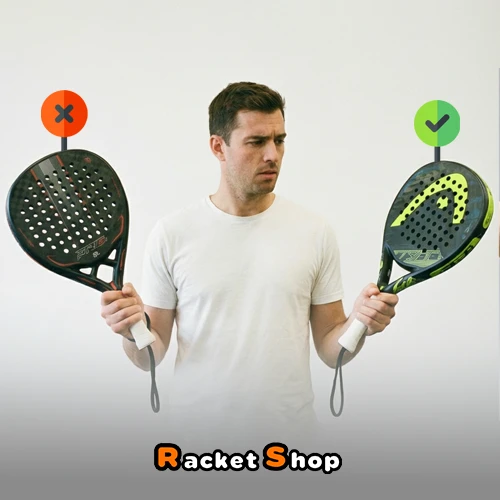
Choosing the right padel racket is one of the most important decisions for any player, yet it is also where many people go wrong. From beginners buying a padel racket for the first time to intermediate players upgrading their equipment, padel common mistakes can negatively impact performance, comfort, and even cause injuries. Understanding what makes a good padel racket is essential if you want to enjoy the game and improve consistently.
In this article, we break down the biggest mistakes people make when buying a padel racket and explain how to avoid them, with tips and recommendations from Racket Shop to help you find the perfect racket for your level and playing style.
1. Not Understanding What Makes a Good Padel Racket
One of the most common padel beginner mistakes is not understanding what makes a good padel racket. Many players focus only on power or appearance, ignoring critical factors that directly affect performance and comfort.
Key technical aspects to consider:
-
Control: Ability to precisely direct shots and manage ball placement.
-
Balance: Proper weight distribution between head and handle for comfort and stability.
-
Comfort: Minimizing strain on wrist, elbow, and shoulder to prevent injuries.
-
Sweet Spot Size: Larger sweet spots improve accuracy and forgiveness for beginners.
-
Forgiveness: How well the racket absorbs off-center hits, allowing more consistent play.
Pro Tip: When choosing a padel racket, always consider your skill level, playing style, and physical comfort to ensure the racket truly supports your game.
For a complete guide on choosing the right padel racket for your skill level, check out our article Guide to Buying a Padel Racket: From Beginner to Pro, Which Racket is Right for You
2. Choosing the Wrong Racket Shape for Your Level
One of the most common padel beginner mistakes is selecting a racket shape that doesn’t match your skill level. Understanding what makes a good padel racket includes knowing how racket shape affects control, power, and playability.
-
Diamond Shape: Provides maximum power but has a smaller sweet spot and less forgiveness, making it better suited for advanced players with precise technique.
-
Teardrop Shape: Offers a balanced combination of power and control, ideal for intermediate players developing their skills.
-
Round Shape: Maximizes control and comfort with the largest sweet spot, perfect for beginners focusing on proper technique and consistency.
Pro Tip: When asking what are the best padel rackets for beginners or intermediates, consider your skill level and preferred playing style. The right racket shape enhances control, reduces errors, and makes learning faster and more enjoyable.
3. Buying Based on Brand or Popularity Alone
A frequent mistake among padel players is choosing a racket solely based on brand or popularity. Many assume that the most expensive or well-known models are automatically the best padel rackets, but what works for a professional may not suit your skill level, playing style, or physical strength.
Instead of focusing on labels or marketing hype, ask: how to choose a padel racket that truly fits my needs? Focus on these key points:
-
Skill-Level Compatibility: A racket designed for advanced players may be too powerful or unforgiving for beginners.
-
Playing Style: Whether you prioritize control, power, or a balanced approach, your racket should complement your style.
-
Personal Comfort and Handling: Even the most popular racket can feel awkward if it doesn’t suit your grip, swing speed, or arm strength.
Prioritizing these aspects over brand reputation or endorsements ensures better performance, consistency, and long-term enjoyment on the court.
4. Ignoring Weight and Comfort
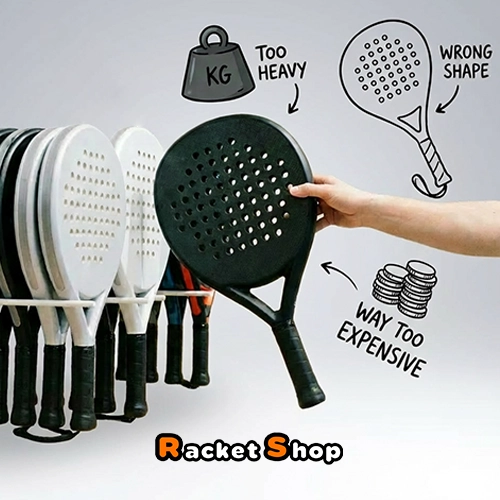
One of the most common padel beginner mistakes is overlooking the importance of racket weight and comfort. The weight of your padel racket directly affects control, maneuverability, and injury prevention. Choosing a racket that is too heavy can lead to strain or pain in the wrist, elbow, or shoulder, especially during long matches or practice sessions.
When selecting a racket, always prioritize comfort and balance:
-
Comfort: The racket should feel natural in your hand and minimize fatigue during extended play.
-
Weight Distribution: Proper balance between the head and handle ensures easier handling and consistent performance.
-
Control: A well-balanced racket allows precise shots without overexertion.
5. Expecting the Racket to Fix Technique Problems
A common padel players mistake is assuming that purchasing a new racket will automatically improve your game. While the right racket can enhance your performance, it cannot replace proper technique, practice, and skill development. Relying solely on equipment can lead to frustration and slow progress.
The best padel rackets are designed to support your playing style, provide better control, and optimize power. However, they do not compensate for weak fundamentals. Players asking how to choose the right padel racket or what makes a good padel racket should remember that combining the right equipment with consistent practice and proper technique is the key to long-term improvement and enjoyment of the game.
Conclusion: How to Choose the Right Padel Racket?
Understanding what makes a good padel racket and avoiding common padel mistakes can save you time, money, and frustration. Whether you’re researching the best padel rackets or simply trying to avoid beginner mistakes, buying a padel racket always boils down to suitability, comfort, and control. Choose wisely—prioritize a racket that matches your skill level, playing style, and physical needs—and it will enhance your game rather than hinder it.
For personalized advice and to find the perfect racket, visit Racket Shop for expert consultation and purchase options!
Top Questions About Choosing the Right Padel Racket
Beginners should choose a racket with a round shape, a large sweet spot, and balanced weight for better control and comfort.
Consider your skill level, playing style, and physical comfort. The best racket is the one that matches your needs in control, power, and balance.
A good padel racket provides the right combination of control, power, comfort, and durability for your playing level.
Both are important. Shape affects control and power, while weight impacts comfort and injury prevention. Choose a combination that feels right for your game.
Not necessarily. Brand and price don’t guarantee the best fit. Focus on the racket that suits your skill level and playing style.

 Buy Padel Rackets
 Padel Bags
 Padel Shoes
 Padel Clothing
 Padel Equipment
 Padel Balls
 PADEL Outlet
 PADEL Pros
 Tennis Rackets
 Tennis Bags
 Tennis Shoes
 Tennis Balls
 Tennis strings
 Tennis Equipment
 Pickleball Rackets
 Pickleball Balls
 Pickleball Equipment
 Beach Tennis Rackets